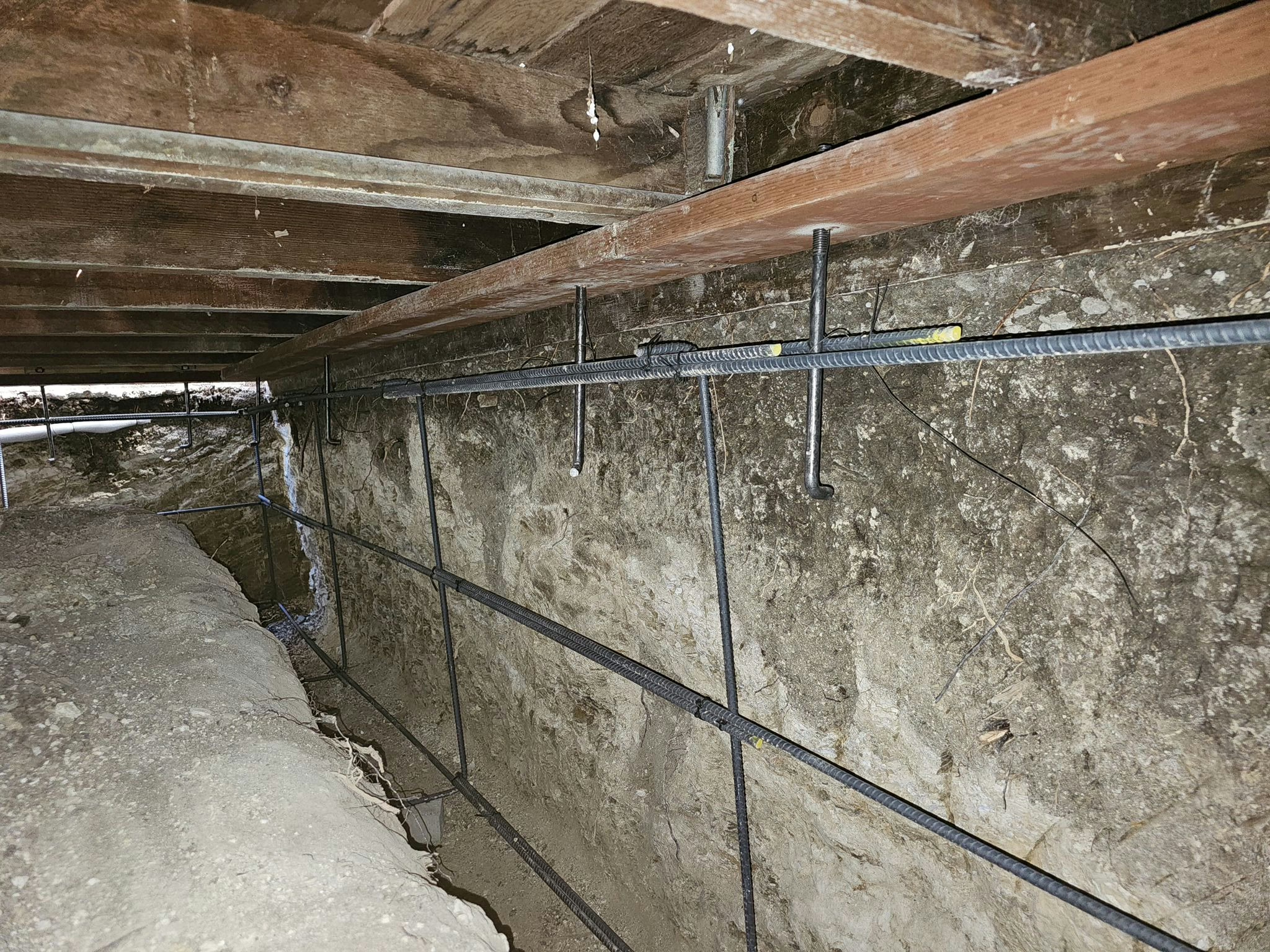
Foundation problems are common across Van Nuys and the greater San Fernando Valley, largely because of expansive clay soils that swell and shrink with seasonal moisture, combined with decades of seismic activity. Homeowners typically notice early signs — cracked drywall, sticking doors, uneven floors — before a licensed contractor confirms the cause with an inspection. Here’s what causes foundation damage in Van Nuys, what to watch for, and how the repair process works.
Why Do Van Nuys Homes Develop Foundation Problems?
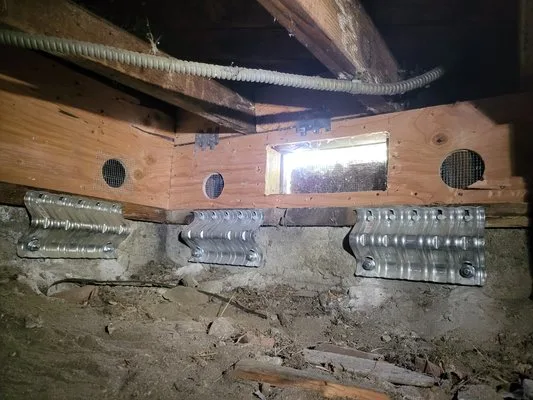
Van Nuys sits in the San Fernando Valley, where much of the housing stock was built in the 1950s and 1960s on expansive clay soil. This soil type expands when wet and contracts when dry, putting repeated stress on a home’s foundation over decades. Combined with the region’s history of seismic activity, older slab or raised foundations can develop cracks, settle unevenly, or separate from framing over time. Homes built before modern seismic codes are especially exposed — a gap that our earthquake retrofit services in Los Angeles are built to close.
Signs Your Van Nuys Home May Have a Foundation Problem
What are the early warning signs of foundation damage?
• Cracks in interior drywall or exterior stucco
• Doors and windows that stick or won’t latch
• Uneven or sloping floors
• Gaps between walls and ceilings or baseboards
For a full breakdown, see our guide on how to spot signs of foundation damage.
How Much Does Foundation Repair Cost in Van Nuys?
Cost depends on the extent of the damage, the foundation type, and the repair method — slab, crawl space, and raised foundations are each priced differently. For a full breakdown by repair type, see our LA County foundation repair cost guide. Golden Retrofit provides a free, no-obligation inspection before any work begins, so you know the real scope before committing to a repair.
What Does the Foundation Repair Process Look Like?
Most projects start with a foundation inspection to identify the cause and extent of movement, followed by a permitted repair plan filed with the LA Department of Building and Safety. Depending on the diagnosis, repair may involve slab leveling, pier and post support, or a full foundation leveling process. Our team walks Van Nuys homeowners through each step, including permitting, before work begins.
Does Van Nuys Need Earthquake Retrofitting, Too?
Foundation repair and seismic retrofitting often go hand in hand in the San Fernando Valley. If your home was built before 1980, it may not meet current bolting and bracing standards — the exact gap the state’s Earthquake Brace + Bolt (EBB) program was created to close, with grants up to $3,000 for qualifying homes. You can check your home’s seismic risk on the CA Geological Survey’s seismic hazard maps. Golden Retrofit handles both foundation repair and retrofit work under one CSLB license (#1036102).
Why Choose Golden Retrofit for Foundation Repair in Van Nuys?
Golden Retrofit is headquartered in Van Nuys and is CSLB licensed (#1036102), with 250+ Google reviews and 400+ Yelp reviews from homeowners across LA County. We offer a free foundation inspection before recommending any repair, so Van Nuys homeowners can make an informed decision without pressure. For the full LA County picture, see our Los Angeles foundation repair guide.
Frequently Asked Questions
Look for cracked drywall or stucco, doors and windows that stick, uneven floors, and gaps between walls and ceilings. A licensed inspection confirms the cause and whether repair is needed.
Costs vary based on the foundation type and extent of damage. See our LA County cost guide for typical ranges by repair method, or request a free inspection for a project-specific estimate.
Most standard homeowners policies exclude foundation damage caused by soil movement or settling, though coverage can vary — check your policy or ask your insurer directly.
Timeline depends on the repair method and permitting. Minor slab leveling can take a few days; larger pier-and-post or full foundation replacement projects can take several weeks.
Van Nuys’ expansive clay soil and older housing stock make it more prone to foundation movement than newer developments built on more stable soil, though risk varies block by block.